OWC OLTEN
The fact that my pictures were subsequently used by athletes, national teams and associations worldwide was the best reward imaginable.
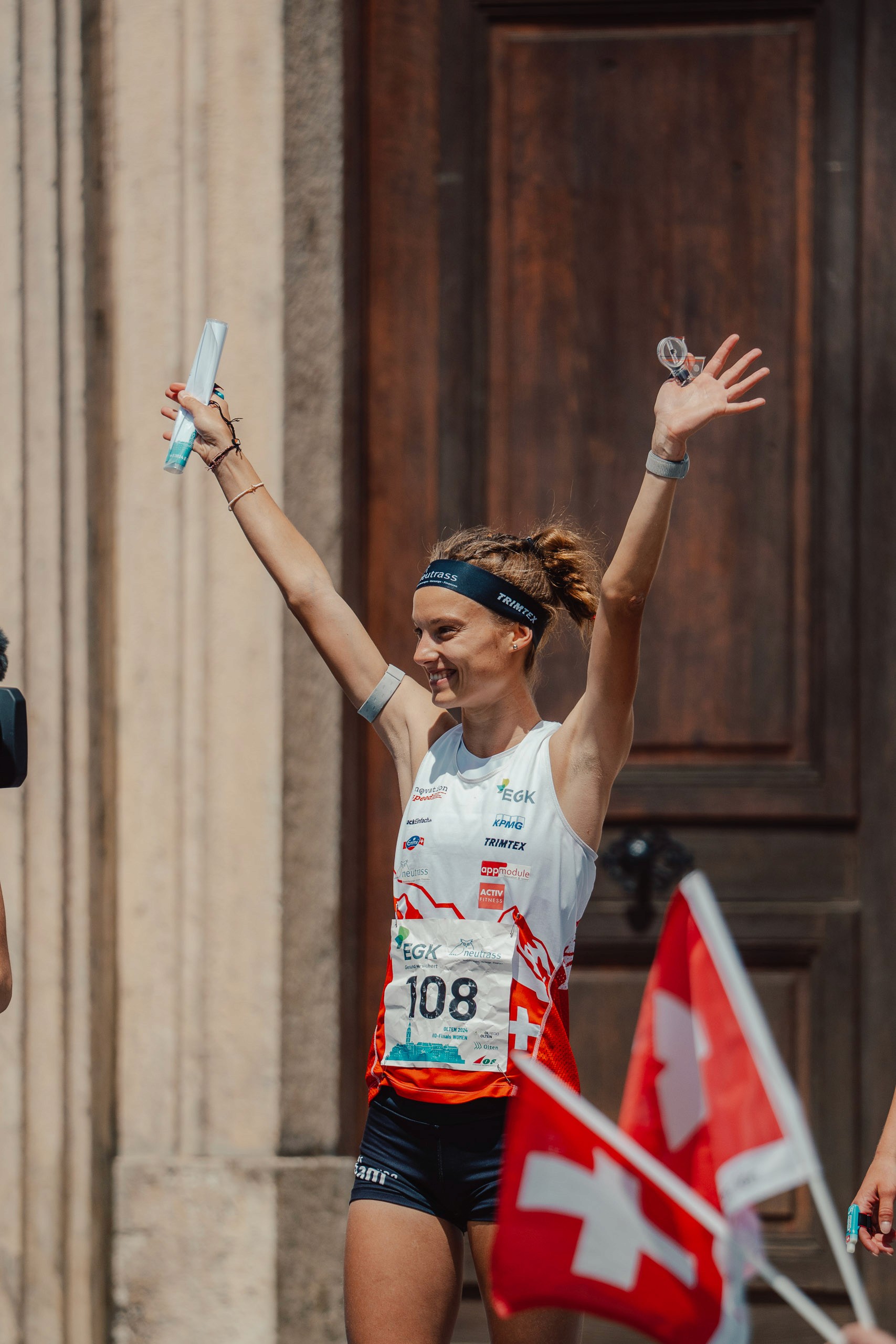
The competition itself was intense. Narrow streets, loud fans, summer temperatures – and a pace that was hard to keep up with even behind the camera.
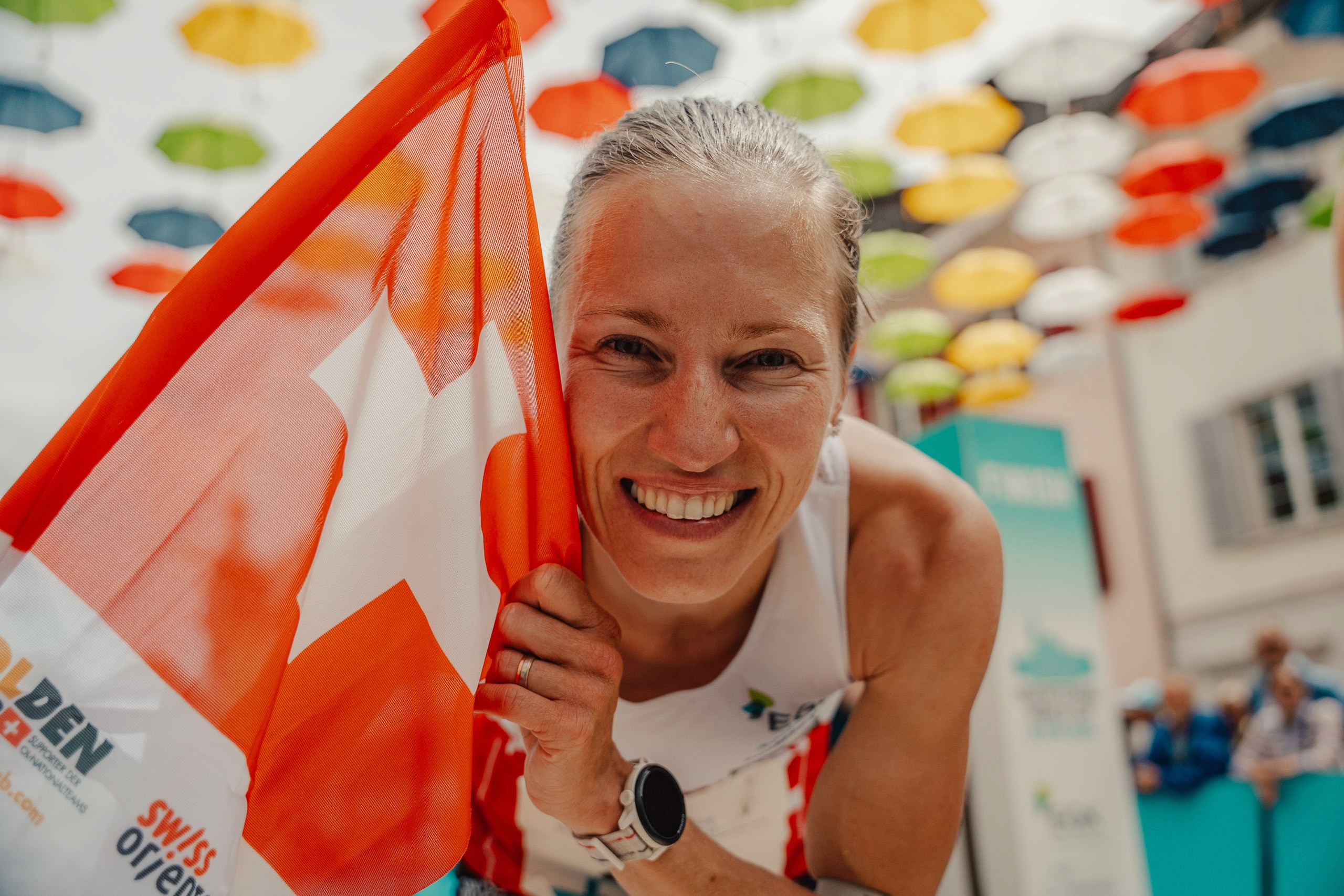
I still remember the moment when Natalia Gemperle celebrated her first World Cup victory in the Swiss jersey at the finish line, looking straight into my camera.
This mixture of emotion, heat, cheering and adrenaline was pure energy.
I was nervous. And at the same time, simply overwhelmed.
Just a few months earlier, I would never have thought that I would be photographing a World Cup.
And now here I was, among the best in the world, in the midst of the hustle and bustle, with my camera at the ready and the feeling: ‘WTF, how did I actually end up here?’
05
The new World Cup season in orienteering kicked off at the end of May 2024, and I was lucky enough to be right in the thick of it.
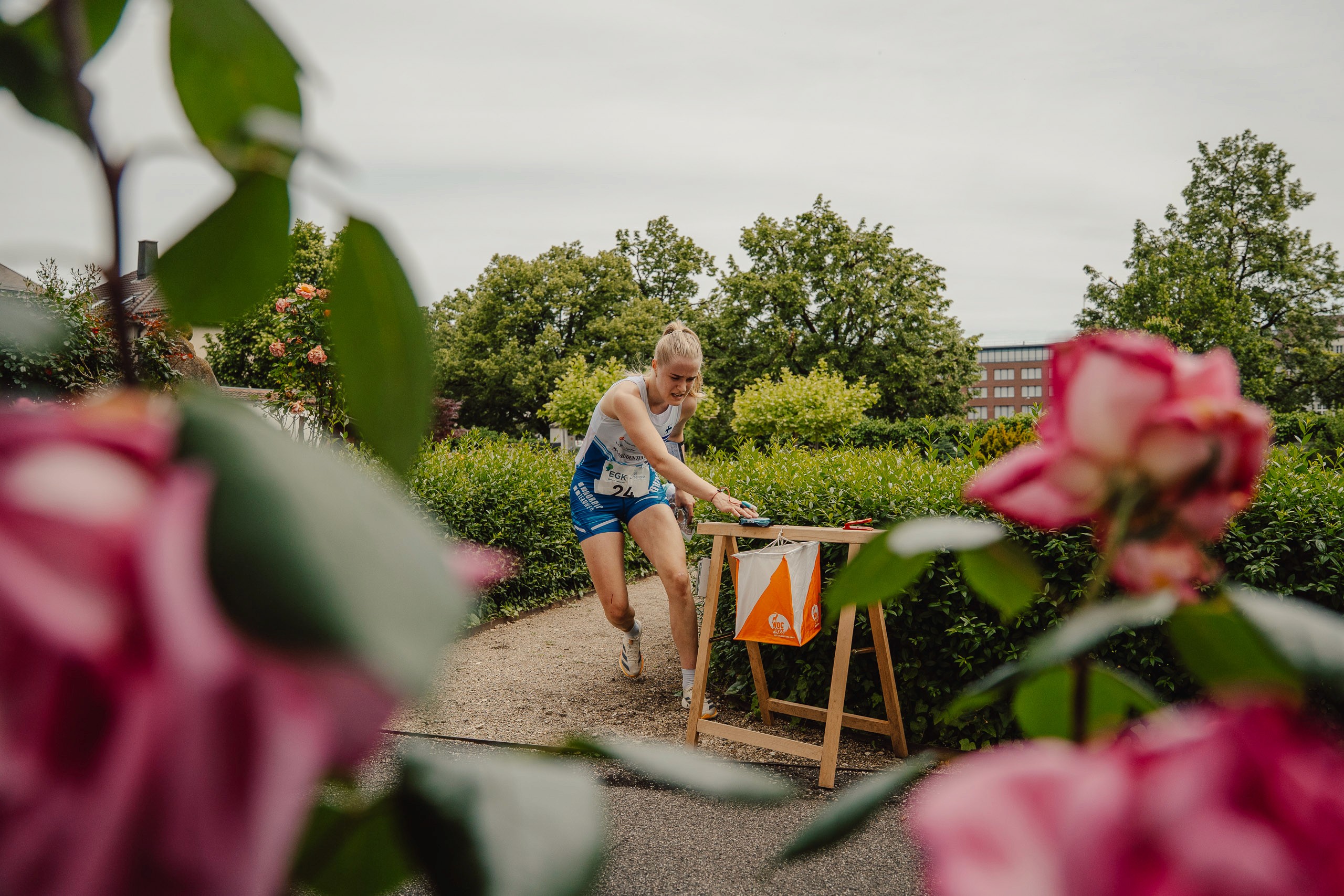
Olten, the city where north, south, east and west Switzerland meet, became the centre of the international orienteering scene for a weekend. Between cobblestone streets, rivers and modern buildings, the athletes faced two intense days of sprinting, with qualifying on Friday, the knockout sprint on 25 May and the individual sprint on 26 May.
It was a very special moment for me: I had applied for accreditation myself, not because I was working for a team, but because I wanted to expand my portfolio. No pay, no obligations – just the chance to take photos, learn and be there.
Three days in Olten that changed everything.
I went home with a whole set of photos that are still among my best today, and with countless new contacts: athletes, associations, photographers.
Looking back, this World Cup was the starting point for many things and one of the moments when I realised that this was no longer just a hobby.