OWC Uster
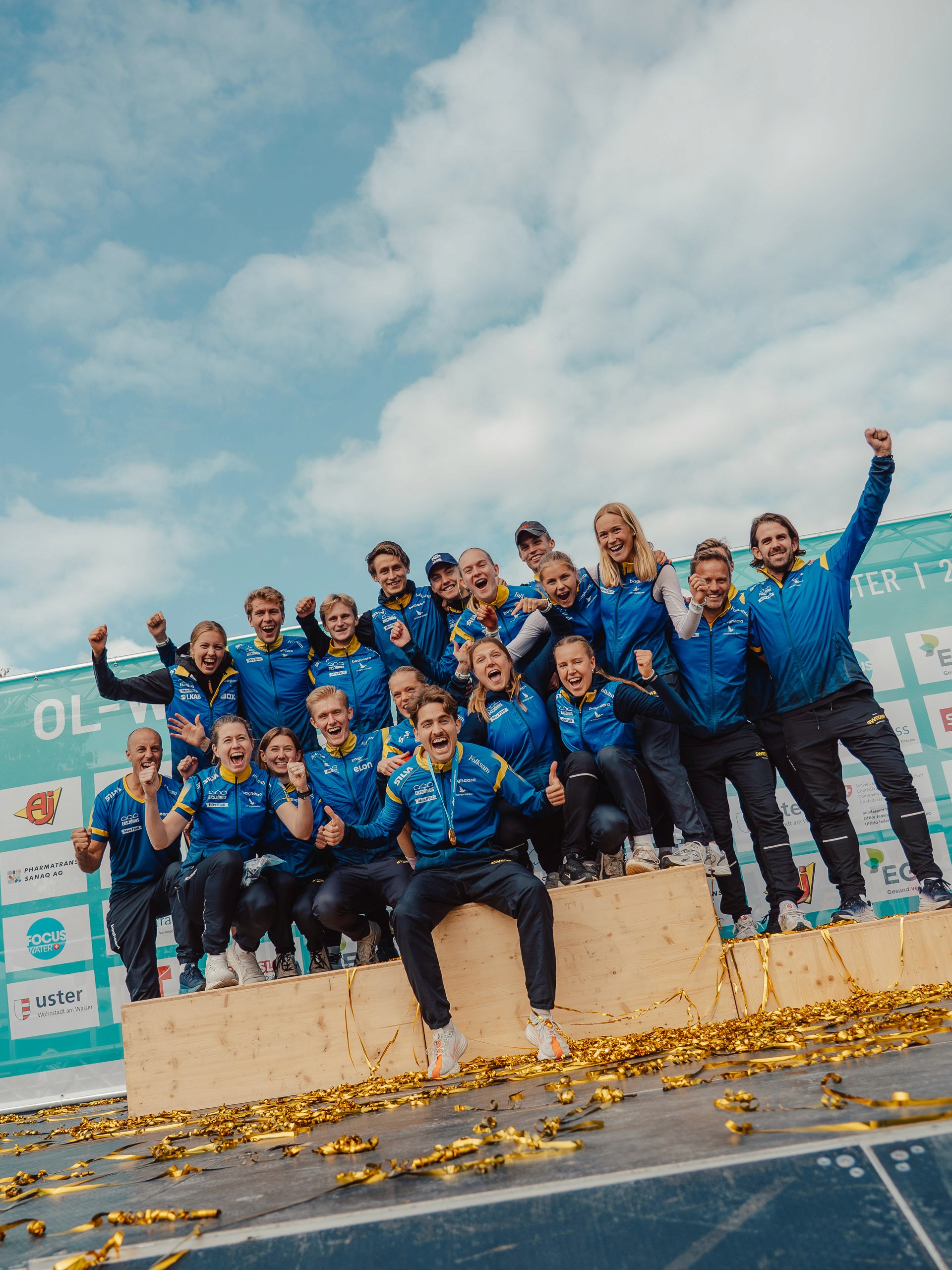
I knew what the rhythm of a World Cup felt like, when to react, where to stand, how to capture the energy of the competition. At the same time, it was more than just photography: as social media manager, I also accompanied the event digitally, telling stories in real time and showing the emotions directly from the competition centre.
The weather remained grey and wet for a long time, but on Sunday the sun finally came out and with it came the moment many had been waiting for.
Matthias Kyburz, one of Switzerland's greatest orienteers, competed in his last orienteering race before devoting himself entirely to marathon running. The moment at the finish line was quiet, almost inconspicuous.
But shortly afterwards, at the award ceremony and celebration, the atmosphere was palpable: a quiet farewell, full of respect and memories.
03
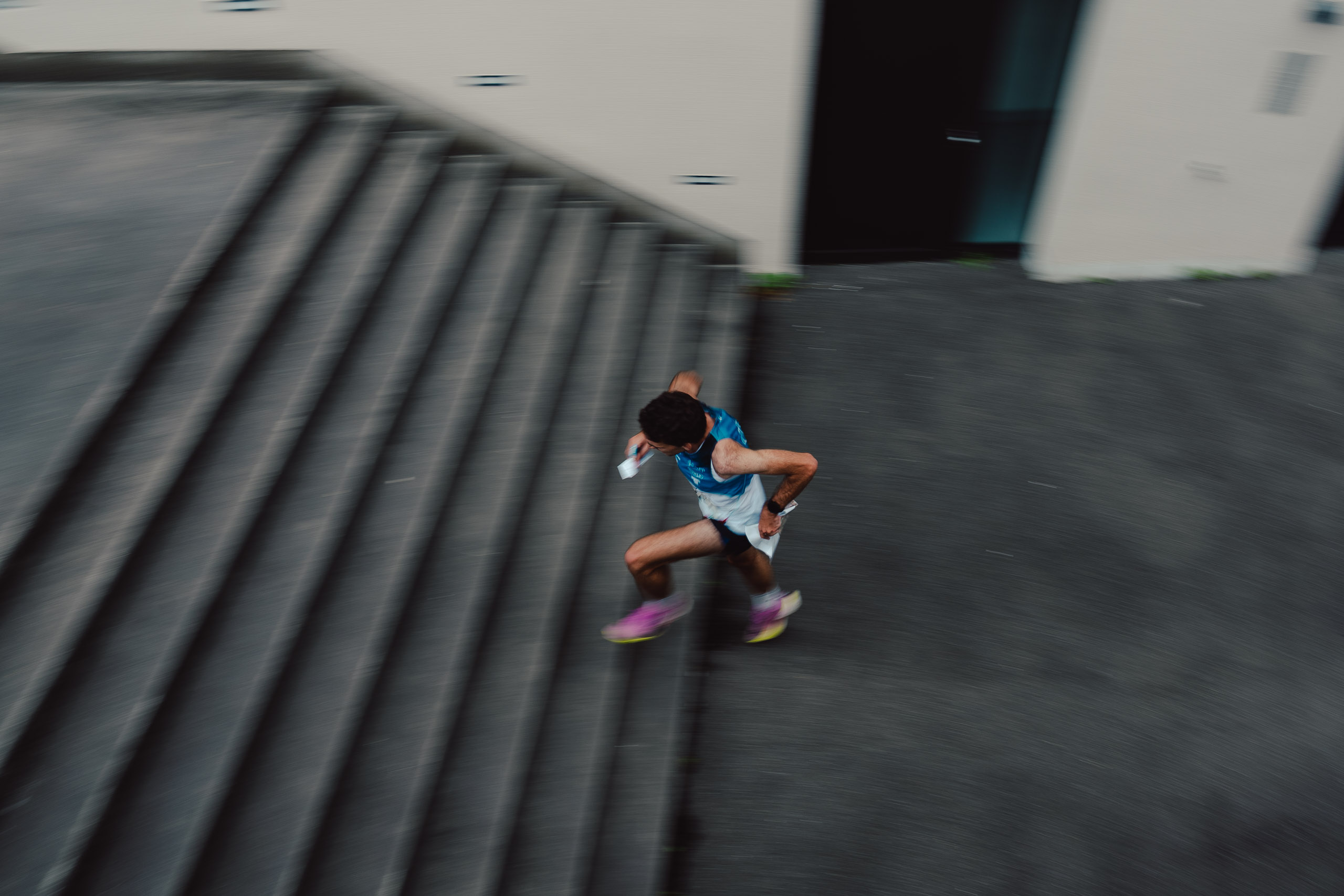
At the end of September 2025, the Orienteering World Cup stopped off in Uster. Three days of competition, three disciplines: sprint, sprint relay and knockout sprint, and a weekend that will be remembered despite the changeable weather.
I was employed directly for the World Cup, not as an external photographer, but as part of the official event team. For four days, I lived and breathed this event – between race preparations, media briefings and the constant search for the next powerful image.
After the World Cups in Olten and Idrefjäll, Uster felt different. Less nervousness, more confidence.
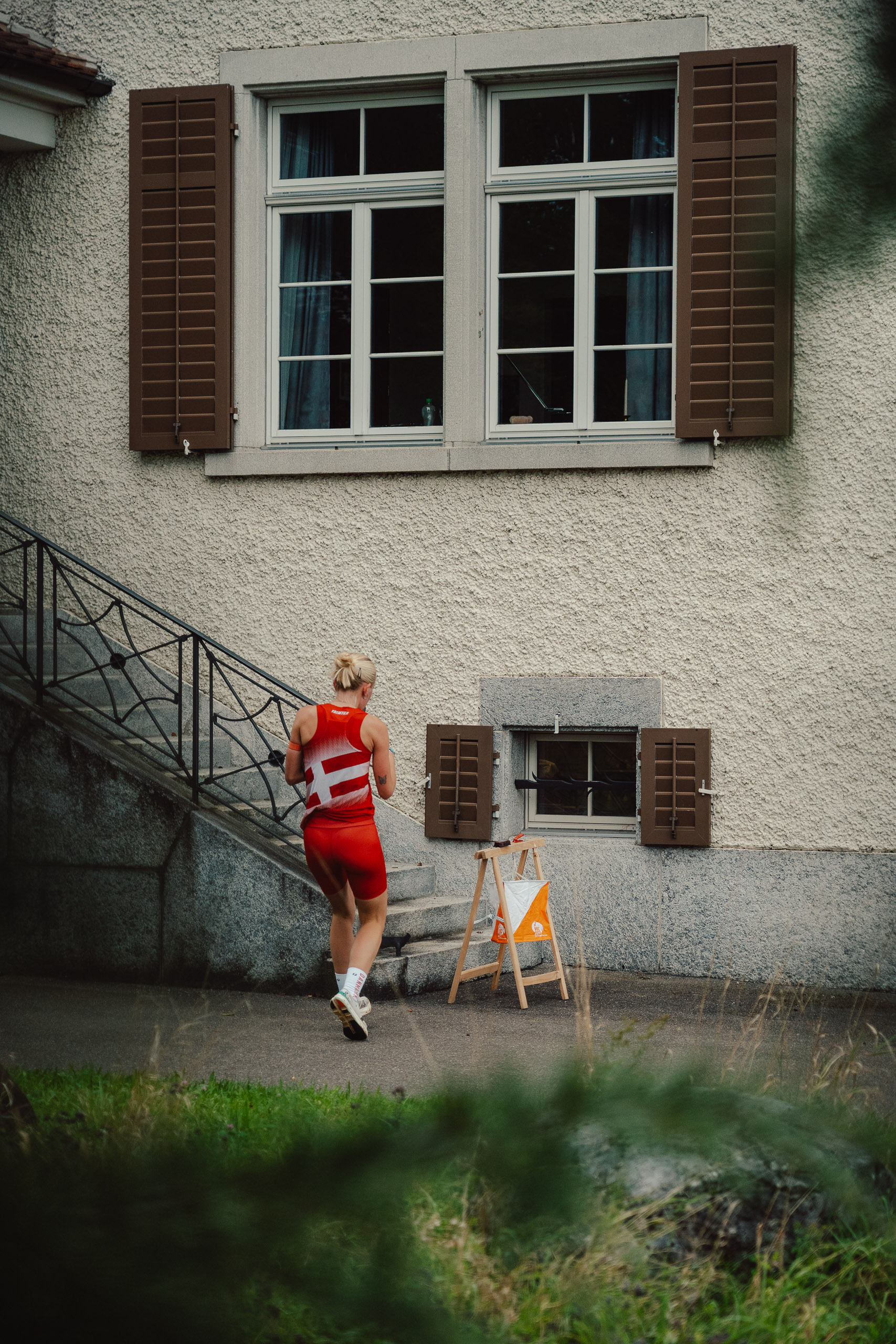
For me, Uster wasn't a new beginning, but proof of how much I had arrived on the scene.
It was a weekend that combined routine and emotion – less excitement, more awareness.
Another step in my photographic journey through the world of orienteering: real, raw and right where sport becomes history.